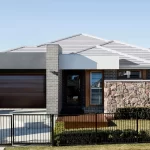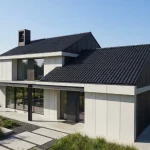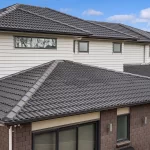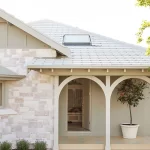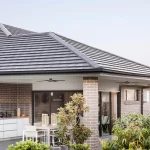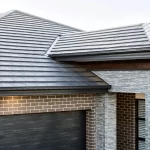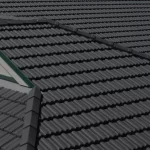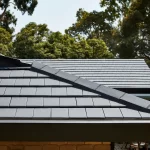
A terracotta roofing specialist can assess tile profiles, roof condition and heritage constraints before repairs, extensions or reroofing begin.
Heritage roofing decisions should start with the existing roof—not an assumption that any red terracotta tile will match. Profile, size, interlock, pitch, ridge details, colour variation and availability all affect the result.
What Does a Terracotta Roofing Specialist Assess?
A terracotta roofing specialist inspects the roof covering and related components to determine the condition, likely tile profile and practical repair options. The inspection may identify cracked or displaced tiles, deteriorated bedding and pointing, flashing problems, water-entry paths or incompatible past repairs.
Victorian Roofing provides heritage and architectural roofing services together with new roofs, extensions and reroofing. Its website also states that the team works with concrete and terracotta tiles and can match roofing materials and profiles.
Why Does the Tile Profile Matter?
Terracotta tiles rely on their shape, overlap and interlocking details to form a weather-resistant roof covering. A tile that looks similar from the ground may differ in length, width, side-lock design or head-lap requirements.
Before sourcing replacements, record:
- manufacturer markings and identifying numbers;
- tile dimensions and interlocking details;
- roof pitch and existing batten spacing;
- ridge, hip and valley configuration;
- the extent and location of damaged tiles; and
- whether an extension must visually connect with the original roof.
A specialist should confirm compatibility rather than forcing a near-match into the roof. Where an exact profile is unavailable, the options may involve strategic reuse, a defined transition or broader replacement, depending on condition and project requirements.
Do Heritage Controls Affect Roofing Work?
They can. A property affected by a Heritage Overlay or other planning control may require approval before its external appearance or roofing material is changed. Owners should check the property’s planning controls and obtain project-specific advice.
Avoid claims that every terracotta-roof project requires the same structural assessment. The need for engineering or other professional input depends on the proposed work, roof condition, load changes and approval pathway.
What Should Be Included in a Roofing Enquiry?
Provide the property address, clear roof photographs, known leak locations and information about earlier repairs. Explain whether the project involves isolated replacement, an extension, restoration or complete reroofing. If planning or heritage documents already exist, include them.
Victorian Roofing’s article on heritage roof reroofing offers additional context, while an inspection is needed to determine the appropriate scope for an individual property.
Protect the Roof Without Guessing the Profile
Authenticity matters, but so do compatibility, weather performance and buildability. A disciplined inspection prevents owners from buying unsuitable tiles based on colour alone.
The quotation should distinguish tile replacement from work to battens, sarking, flashings, valleys, ridges and stormwater components. It should also state how hidden deterioration or unavailable profiles will be handled. Comparing quotes only by the number of replacement tiles can conceal major scope differences and lead to variations after access equipment and labour are already committed.
Contact Victorian Roofing through its roofing enquiry page with the address, photographs and required work. The team can assess the roof and discuss suitable next steps.