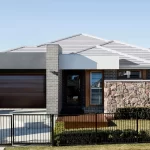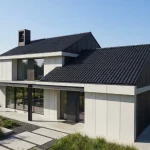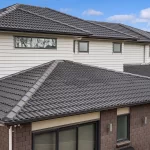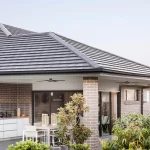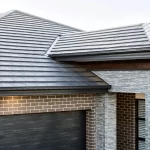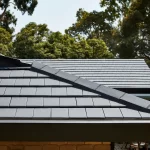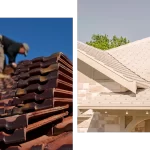
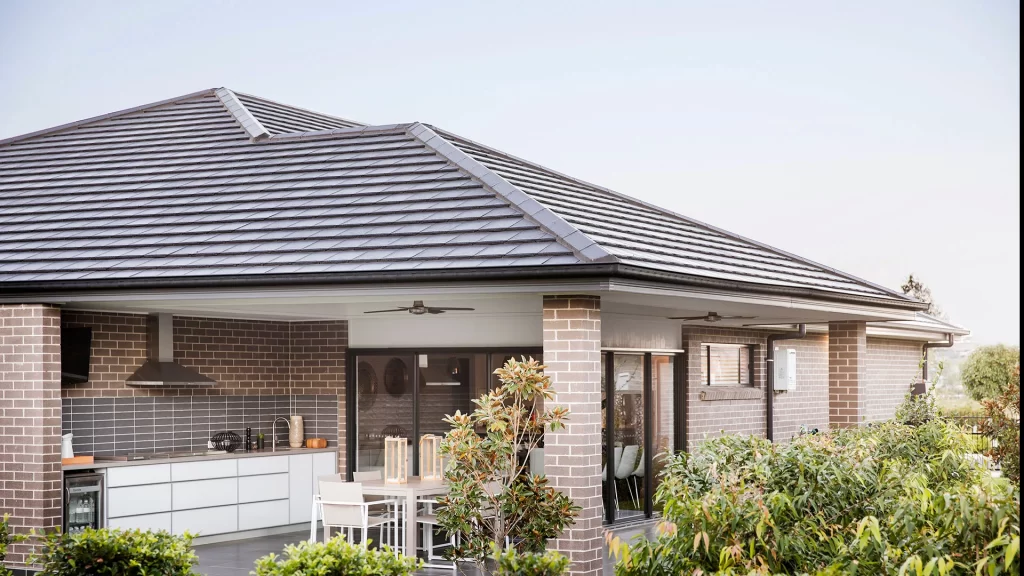
Victorian Roofing Service installs roof sarking during a new tile roof installation to ensure peak thermal efficiency and long-term structural protection.
When building or renovating a home, many owners overlook the critical secondary barrier, roof sarking, that sits beneath their tiles. This protective layer is a vital component of a high-quality new tile roof installation, providing an extra level of security against the harsh Australian elements. By understanding the role of this “second skin,” you can ensure your property remains durable and energy efficient for years to come.
Why is Roof Sarking Essential for Your New Tiled Roof?
Traditional tiles often struggle against Victoria’s unpredictable storms, in which high-pressure winds can drive rain beneath the tile laps. Without a secondary barrier, this wind-driven rain can penetrate the roof cavity and cause severe structural damage to your ceilings. Including a protective layer is essential to safeguard your home’s interior from these harsh weather conditions.
This membrane also plays a vital role in managing condensation by preventing water vapour from collecting on the underside of your tiles. Left unmanaged, moisture can lead to wood rot and mould, significantly reducing your home’s thermal performance over time. Professional installation ensures this water is safely diverted into the gutters, maintaining a dry and healthy roof space for your family.
The Long-Term Benefits of Roof Sarking During a New Tile Roof Installation
Incorporating roof sarking during a new tile roof installation significantly improves thermal comfort by reflecting radiant heat and lowering your annual energy bills. This sustainable addition reduces the strain on your cooling systems while protecting your internal finishes and bulk insulation from dust and moisture. By choosing this layer at the start of your project, you provide your home with a permanent shield that ensures long-term structural longevity and environmental protection.
- Enhanced Energy Efficiency: Helps maintain stable indoor temperatures by reflecting heat in summer and providing a draught seal in winter.
- Dust and Debris Protection: Keeps your roof cavity clean by blocking airborne dust, soot, and allergens from accumulating over decades.
- Insulation Performance: Protects your bulk insulation from moisture and dust, ensuring it works effectively for its entire lifespan.
- Structural Security: Adds a layer of protection for the timber rafters and internal plasterboard from accidental tile breakage or minor leaks.
Navigating NCC 2022 and Bushfire (BAL) Compliance
Adhering to the National Construction Code (NCC 2022) is essential for modern builds, as these regulations often mandate the use of roof sarking to improve energy efficiency and control moisture. For homes in bushfire-prone areas, a compliant membrane serves as a critical ember guard, preventing flying debris from entering the roof cavity through cracked or dislodged tiles. This vital addition ensures full compliance with AS 3959 standards and provides a non-negotiable layer of protection against internal ignition for safety-conscious residents.
The Victorian Roofing Service Approach to Roof Sarking and New Tile Roof Installation
Selecting Victorian Roofing Service ensures your new tile roof installation features premium roof sarking to protect your home against moisture, heat, and embers. Our experts apply extensive knowledge of the Victorian climate and building codes to deliver a compliant and durable roofing investment. Avoid leaving your property’s structural integrity to chance by including this essential protective barrier in your next construction or renovation project.
Reach out to our team today to schedule a consultation and ensure your home is protected by the superior efficiency of a professionally engineered roofing system.
Related Blog Articles:
Roof Extensions Melbourne Using Monier Roof Tiles – The Smart Choice for 2026
Professional Residential Tile Roofing Services in Melbourne: Cost Savings, Safety & Long-Term Value