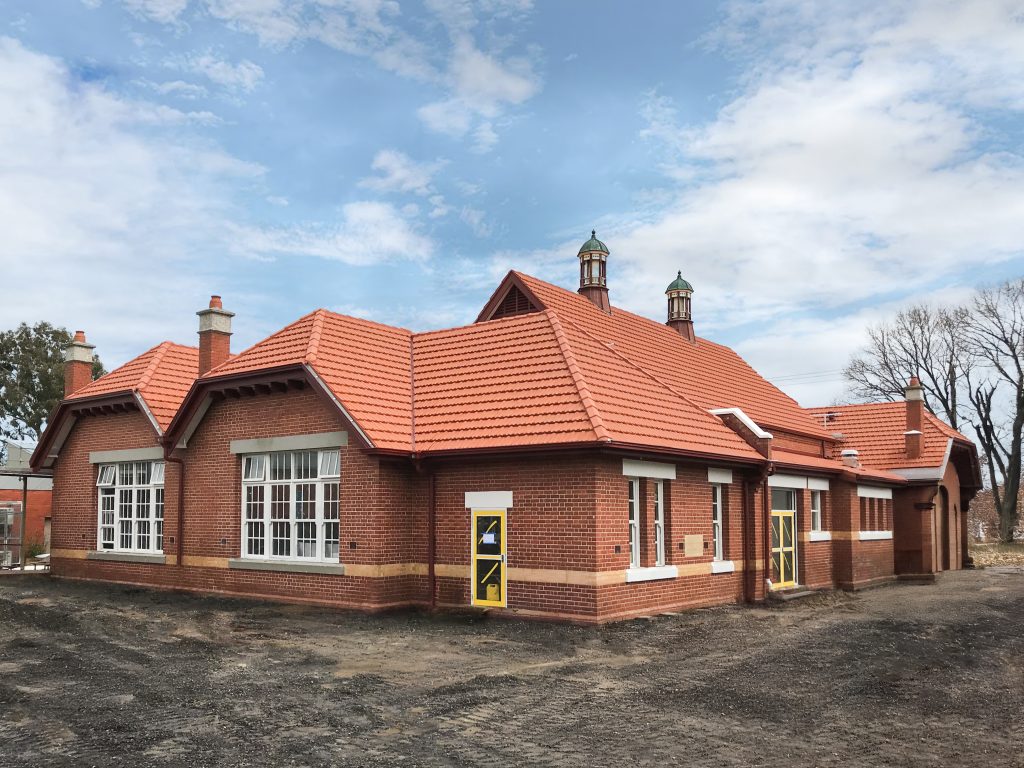
Victorian Roofing Service compares concrete vs terracotta roof tiles for new homes across Greater Melbourne, covering costs, colour, pitch and roof weight.
Selecting the roof before a new home’s plans are finalised helps prevent conflicts involving pitch, structural loads and the roofing allowance. Comparing concrete vs terracotta roof tiles also requires more than judging samples by colour because each profile has distinct technical and installation requirements. We supply and install both materials for new homes across Greater Melbourne and the south-east, allowing the roofing system to be assessed alongside the wider building design.
Which Roof Tile Material Suits a New Melbourne Home?
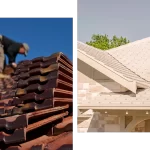
When comparing concrete vs terracotta roof tiles, concrete generally suits projects where controlling the initial roofing allowance and retaining a broad profile selection are priorities. Terracotta commonly has a higher upfront cost, but its fired-clay finish offers stronger colour retention over time. Both materials can provide long-term weather protection when the nominated product suits the design and is installed correctly.
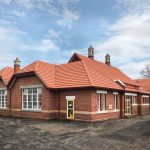
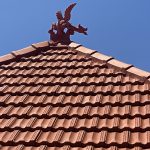
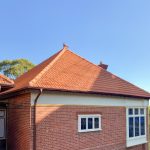
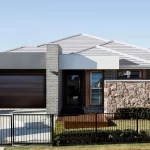
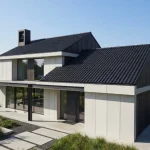
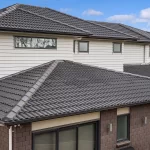
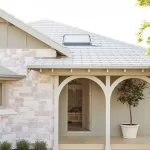
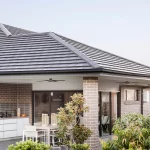
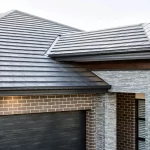
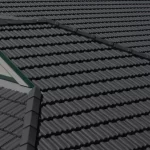
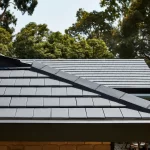
Appearance should be considered across the complete façade instead of relying on a small digital image. Our concrete range includes flat, semi-flat and raised profiles for contemporary and traditional architecture, while terracotta is not limited to heritage designs. Our roof-tile product range lists Nouveau and Urban Shingle alongside the traditional Marseille terracotta profile.
How Do Pitch, Weight and Sarking Affect the Selection?
These requirements depend on the selected profile, not broad assumptions about either material. Manufacturer data shows Nouveau terracotta can be used from a 12-degree pitch with sarking, while Madison concrete and Marseille terracotta start from 15 degrees with sarking. The designer and builder must confirm the applicable specification for the proposed roof.
Weight also varies by product. Published figures list Madison concrete at 57.2 kilograms per square metre and Nouveau terracotta at 47.88 kilograms per square metre, making the claim that terracotta is always heavier inaccurate. We recommend confirming the tile early so the structure, pitch and new-roof requirements can be coordinated before installation under the Victorian building standards applying to the project.
What Should Be Confirmed Before the Roof Is Quoted?
A useful quotation needs an identified profile, colour and roof design rather than a material name alone. We ask clients to provide their plans and indicate the preferred tile material, profile and colour. This allows us to review the proposed roofing system against practical installation requirements before the project proceeds.
- Minimum pitch: Confirm the manufacturer’s minimum pitch and any sarking conditions for the selected profile.
- Structural load: Check the published tile weight against the engineering and framing documentation.
- Colour performance: Review a physical sample and the product’s solar absorptance information instead of relying only on a screen.
- Architectural fit: Confirm that the profile, ridge treatment and colour support the intended appearance of the home.
- Product terms: Read the warranty applying to the exact product instead of relying on a general claim about the material.
Concrete vs Terracotta Roof Tiles with Victorian Roofing Service
Finalise the tile only after its pitch, weight, colour and sarking requirements have been checked against the approved home design. Early coordination helps us prepare a quotation based on the intended roofing system and reduces the risk of later specification changes. Victorian Roofing Service can assess supplied plans and the nominated material, profile and colour for new homes across Greater Melbourne and the south-east.
Request a new-roof quotation based on your plans and preferred tile profile through our online enquiry form.